Stop Slips with ComposiGrip™ Non-Slip Stair Treads & Strips
-
2 Pack Beige Non-Slip Stair Treads – Prevent Falls on Wood, Metal & Concrete Indoor & Outdoor Steps - ComposiGrip™ 48" Anti-Slip Step Covers | Rain, Snow, Ice
Regular price From $108.90 USDRegular price -
2 Pack Gray Non-Slip Stair Treads – Prevent Falls on Wood, Metal & Concrete Indoor & Outdoor Steps - ComposiGrip™ 48" Anti-Slip Step Covers | Rain, Snow, Ice
Regular price From $108.90 USDRegular price -
2 Pack Black ComposiGrip™ 48" Non-Slip Stair Treads – Prevent Falls on Wood, Metal & Concrete Indoor & Outdoor Steps, Anti-Slip Step Covers for Rain, Snow, Icy Steps
Regular price From $108.90 USDRegular price -
2 Pack Safety Yellow High Visibility, ComposiGrip™ 48" Non-Slip Stair Treads – Prevent Falls on Wood, Metal & Concrete Indoor & Outdoor Steps - Anti-Slip Step Covers for Rain, Snow, Icy Steps
Regular price From $108.90 USDRegular price -
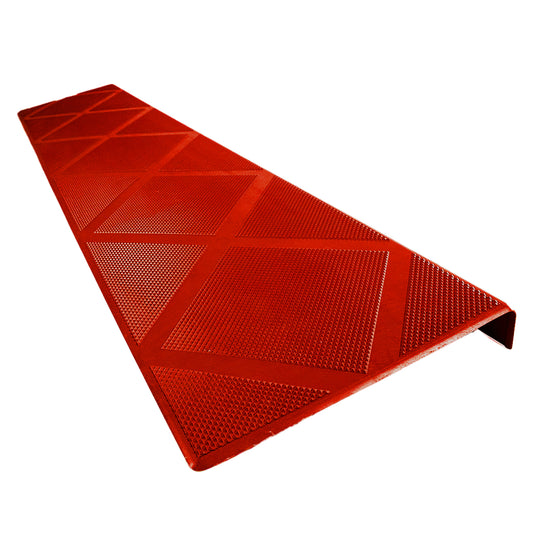
2 Pack Brick Red ComposiGrip™ 48" Non-Slip Stair Treads, Prevent Falls on Wood, Metal & Concrete Indoor & Outdoor Steps, Anti-Slip Step Covers for Rain, Snow, Ice
Regular price From $108.90 USDRegular price -
Custom Cut Non-Slip Stair Treads – Heavy-Duty Anti-Slip Covers for Indoor & Outdoor Steps | ComposiGrip™ - 1 Piece
Regular price $68.90 USDRegular price -
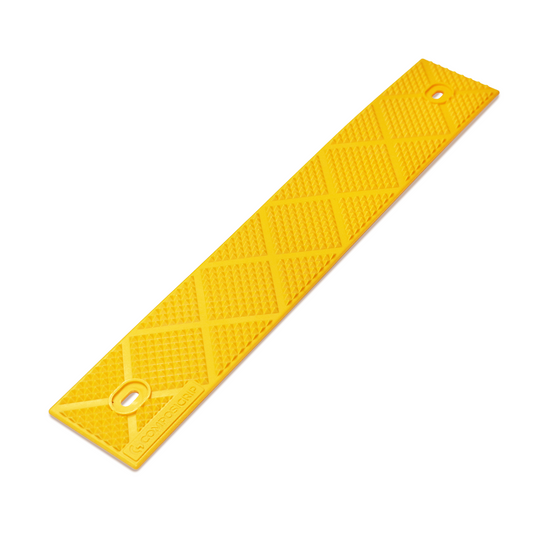
Safety Yellow Non-Slip Stair Strips 2 Pcs, 2" Wide x 12", 18" or 32" Long ComposiGrip™
Regular price From $6.60 USDRegular price -
ComposiGrip™ Non-Slip Stair Strips - Onyx Black - 2 Pcs
Regular price From $6.60 USDRegular price -
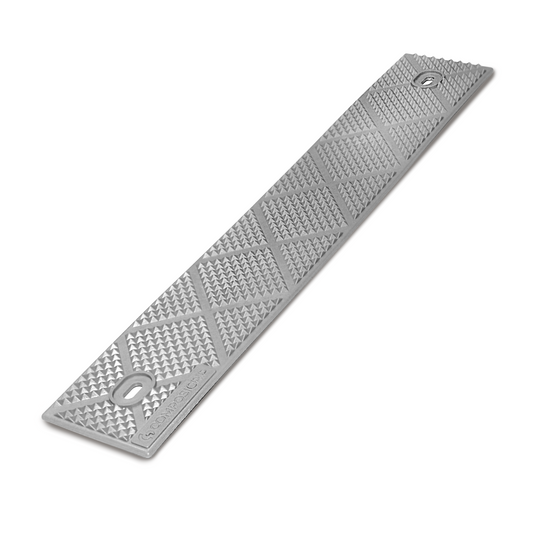
ComposiGrip™ Non-Slip Stair Strips - Grey - 2 Pcs
Regular price From $6.60 USDRegular price -
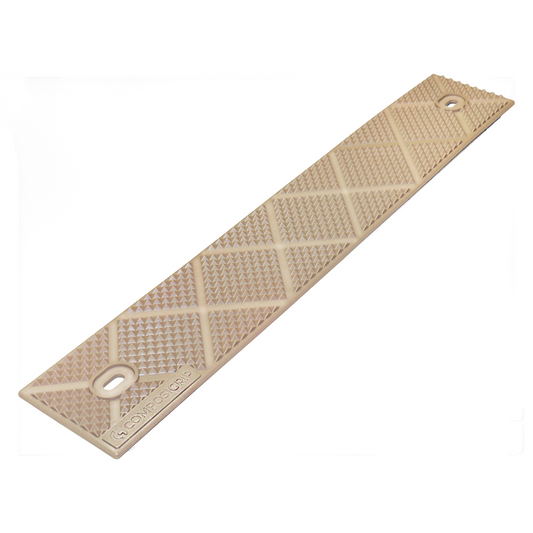
ComposiGrip™ Non-Slip Stair Strips - Beige - 2 Pcs
Regular price From $6.50 USDRegular price




How to Fix Slippery Stairs for Commercial Buildings
How to Fix Slippery Stairs for Commercial Buildings, Schools, Universities, Government Facilities & Residential Properties Across the USA
Looking for the best way to make slippery stairs safer? ComposiGrip™ helps improve traction on wood, concrete, and metal stairs with durable anti-slip stair treads, stair strips, and stair nosing solutions designed for high traffic, wet weather, and year-round use.
Designed for the Buyers Who Need Long-Term Stair Safety Solutions
Fast, practical anti-slip stair upgrades for retrofit and new-build projects.
Professional stair safety solutions that improve traction, edge definition, and long-term performance.
Reduce slip hazards, improve tenant safety, and avoid repeat maintenance issues.
Safer stairs for students, staff, faculty, and campus visitors in all seasons.
Reliable stair safety products for municipal, state, federal, and public-use facilities.
Why Slippery Stairs Are a Serious Safety, Liability, and Maintenance Problem
Slippery stairs can create everyday risk in commercial buildings, apartment properties, schools, universities, hospitals, parking structures, industrial spaces, transit areas, and homes. Rain, snow, ice, wet shoes, worn stair edges, smooth surfaces, and poor visibility can all make stairs more dangerous.
The best stair safety solution is not just about a quick fix. It is about choosing a long-term anti-slip product that improves traction, helps users see each step more clearly, and performs in real-world conditions across the USA.
Anti-Slip Stair Solutions for USA Climates, Facilities, and Building Types
Northeast & Midwest
Improve traction on stairs exposed to snow, ice, road salt, freeze-thaw cycles, and heavy winter foot traffic.
Pacific Northwest
Reduce slip risk on wet stairs affected by rain, moss, damp surfaces, and frequent moisture.
South & Southeast
Help control slips caused by humidity, storms, algae buildup, and busy exterior entrances.
Mountain & High-Traffic Public Sites
Choose durable anti-slip solutions for schools, civic buildings, campuses, lodges, walkways, and public facilities.
What Makes Stairs Slippery?
Smooth Stair Surfaces
Painted concrete, finished wood, tile, metal, and worn step surfaces can lose traction quickly.
Rain, Snow & Ice
Outdoor stairs are especially hazardous when moisture reduces grip and creates a slick walking surface.
Wear, Traffic & Aging
Repeated foot traffic can wear down stair surfaces and make them more slippery over time.
Poor Step Visibility
When users cannot clearly see the stair edge, slip and misstep risk increases.
Dust, Oil, Residue & Moisture
Garages, industrial sites, kitchens, service corridors, and back-of-house spaces can become slippery fast.
Where ComposiGrip™ Stair Safety Products Are Commonly Used
Commercial Buildings
- Office buildings
- Retail stores
- Hotels
- Mixed-use properties
Schools & Universities
- K-12 schools
- Campus stairwells
- Dormitory entries
- High-traffic academic buildings
Government & Public Facilities
- Municipal buildings
- Transit areas
- Courthouses
- Public infrastructure
Residential & Multi-Family
- Apartment buildings
- Condo properties
- Deck stairs
- Garage and entry steps
Temporary Fixes vs Long-Term Anti-Slip Stair Solutions
| Option | Best For | Main Benefit | Main Limitation |
|---|---|---|---|
| Anti-slip tape | Quick short-term use | Fast installation | Can peel, wear, and need replacement |
| Grit paint or coatings | Budget fixes | Easy to apply | Often needs reapplication |
| Rubber mats | Basic coverage | Lower upfront cost | May shift, trap moisture, or look temporary |
| Anti-slip stair treads & covers | Permanent performance | Better long-term traction | Higher upfront investment |
| Stair nosing & visibility systems | Step-edge safety | Traction + edge visibility | Best when matched to the right stair type |
Why ComposiGrip™ Is a Stronger Long-Term Option
If you want more than a short-term patch, ComposiGrip™ anti-slip stair treads, stair strips, and stair nosing products are built for buyers who need dependable traction, strong durability, and a cleaner professional look.
These solutions are commonly chosen for high-traffic stairs, wet outdoor conditions, commercial retrofits, institutional properties, schools, universities, public buildings, apartment complexes, and residential entrances.
Shop Anti-Slip Stair Solutions by Surface Type


Improve Stair Traction and Step Visibility
Stair safety is not only about grip. It is also about helping people recognize the leading edge of each step clearly. For many commercial, institutional, and public spaces, stair nosing and high-visibility edge treatments help users navigate stairs more safely.
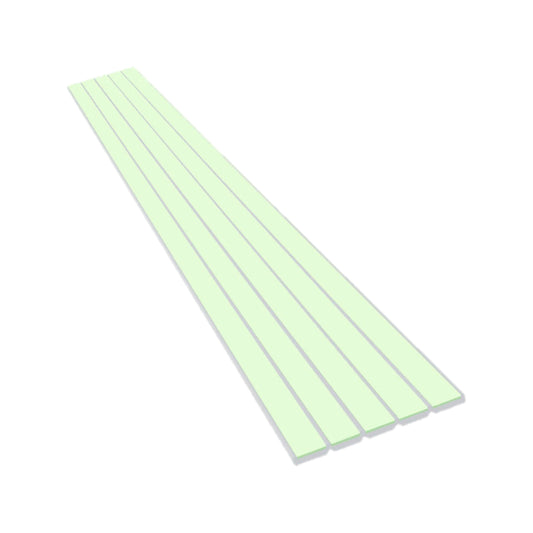
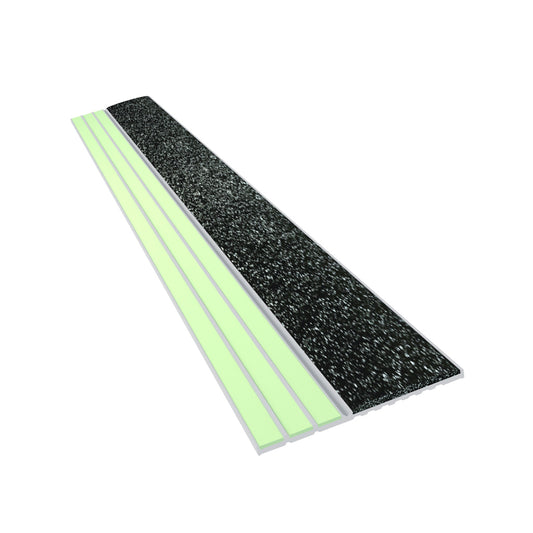
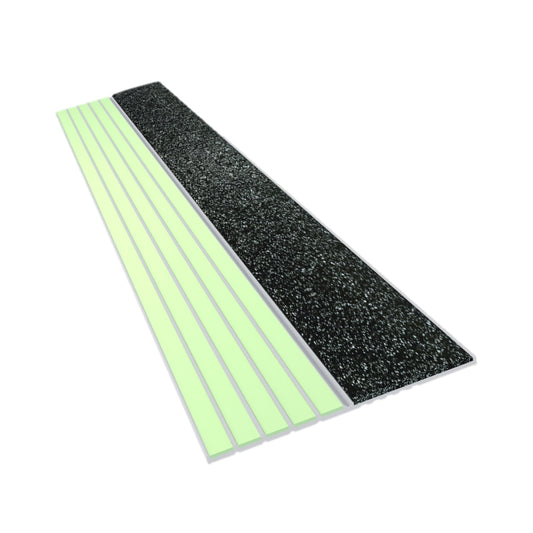
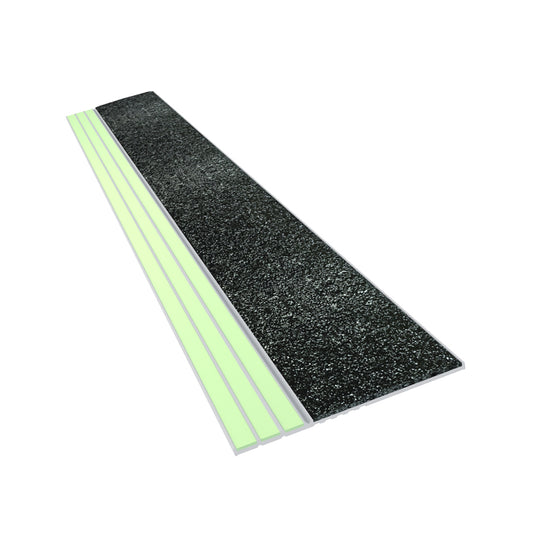
ComposiGrip also offers stair nosing and Ecoglo® visibility solutions for projects where traction, edge definition, and low-light visibility matter.
Frequently Asked Questions About Slippery Stairs
What is the best way to make outdoor stairs less slippery?
For outdoor stairs, many buyers prefer a fixed anti-slip stair tread, stair cover, or stair nosing product instead of relying only on temporary coatings or loose mats. The right option depends on the stair material, climate, and traffic level.
What can I put on stairs so I do not slip?
Common options include anti-slip stair treads, stair strips, stair nosing, runners, coatings, and mats. For higher traffic or outdoor conditions, many property owners and specifiers choose a more permanent solution that stays in place and delivers longer-term performance.
How do I fix slippery wood stairs without ruining the look?
That depends on whether the stairs are indoors or outdoors. Some buyers want a lower-profile option for appearance, while others prioritize maximum traction and durability. The best fit depends on the finish, stair location, and amount of use.
What is best for slippery concrete steps?
Concrete stairs often need a solution that can handle moisture, heavy use, and weather exposure. Buyers commonly compare coatings, edge nosing, and tread covers, but a more durable anti-slip stair product is often the stronger long-term choice.
Do anti-slip stair treads work in snow and winter weather?
Many anti-slip stair products are selected specifically for winter-prone areas because exterior stairs become much more hazardous in snow, ice, and freeze-thaw conditions. The best product should match the stair surface and local weather conditions.
Are stair runners, mats, or rubber treads enough for slippery stairs?
They can help in some situations, especially indoors or in lighter-use areas. But many contractors, property managers, and facility teams prefer a more permanent anti-slip solution when they need stronger traction, better durability, and a more professional finish.
What are the anti-slip strips on the front edge of stairs called?
They are commonly called stair nosing or stair edge nosing. These products help improve grip at the leading edge of the step and can also improve visual definition, especially in commercial and institutional buildings.
Why does stair visibility matter as much as slip resistance?
Many stair incidents happen when people misjudge the step edge. Better edge visibility can help users recognize each tread more clearly, which is especially important in public buildings, schools, stairwells, and low-light conditions.
What is the best anti-slip option for schools and universities?
Educational buildings usually need a durable stair safety solution that performs well under heavy daily foot traffic and helps users clearly see the stair edge. The best option depends on whether the stairs are inside, outside, public-facing, or part of an egress route.
What do property managers usually look for in stair safety products?
Property managers usually want a solution that reduces slip complaints, looks professional, handles weather, lasts longer than a short-term repair, and helps protect residents, staff, and visitors.
Can slippery stairs be improved without rebuilding the staircase?
In many cases, yes. A retrofit anti-slip solution can often upgrade traction and visibility on existing stairs without requiring a full rebuild, which makes it attractive for renovations and maintenance-driven projects.
What should architects and government buyers look for when choosing stair safety products?
They often look for durability, fit with the stair material, suitability for public use, consistent performance in real-world conditions, and solutions that improve both traction and user confidence.
Helpful Stair Safety Resources


Ready to Upgrade Slippery Stairs?
Whether you are specifying for a school, university, commercial building, apartment property, industrial site, or public facility, ComposiGrip™ offers anti-slip stair solutions designed to improve safety, reduce risk, and support long-term performance.
Protect Lives with Glow-in-the-Dark Egress — Shop Ecoglo®
-
Ecoglo® G5001 Luminous Guidance 1" Wide Strip
Regular price From $11.60 USDRegular price -
Ecoglo® E20 Series Luminescent Step Edge Contrast Strips for Enhanced Visibility & Safety - 1.5" Wide
Regular price From $16.80 USDRegular price -
Ecoglo® E40 Series Luminescent Contrast Strips 2" Wide
Regular price From $21.00 USDRegular price -
Ecoglo® E30 Series Luminescent Contrast Strips 2" Wide
Regular price From $21.00 USDRegular price