Winter Safety Guide: Non-Slip Stairs with ComposiGrip™ & Ecoglo® Across Canada & North America
Share
Winter in Canada and northern U.S. regions brings ice, snow, slush, and freeze–thaw cycles that turn stairways into major slip-and-fall hazards. For property managers, facility operators, contractors, and safety officers, winter stair safety isn’t optional — it’s liability prevention, code compliance, and injury reduction.
ComposiGrip™ and Ecoglo® provide high-traction, industrial-grade non-slip stair treads and nosings engineered specifically to perform in harsh North American winters.
Why Stairs Become Dangerous in Winter
Cold weather multiplies risk factors:
| Winter Hazard | Why It’s Dangerous |
|---|---|
| ❄ Ice buildup | Invisible black ice forms on stair edges |
| 🌧 Freeze–thaw | Water refreezes overnight, creating slick surfaces |
| 🧂 Salt corrosion | Degrades metal surfaces, reducing grip |
| 👞 Wet footwear | Tracks water onto indoor stairwells |
| 🌨 Snow packing | Compacts into slippery layers |
| 🌙 Low light | Shorter days reduce stair visibility |
Falls on stairs are among the top causes of winter injuries in commercial and multi-residential buildings.
How To Make Outdoor and Indoor Stairs Non-Slip with ComposiGrip™ and Ecoglo to Minimize & Prevent Slips
How ComposiGrip™ & Ecoglo® Help Minimize Slips
ComposiGrip™ & Ecoglo® products are designed for maximum traction + durability:
1. Industrial Composites
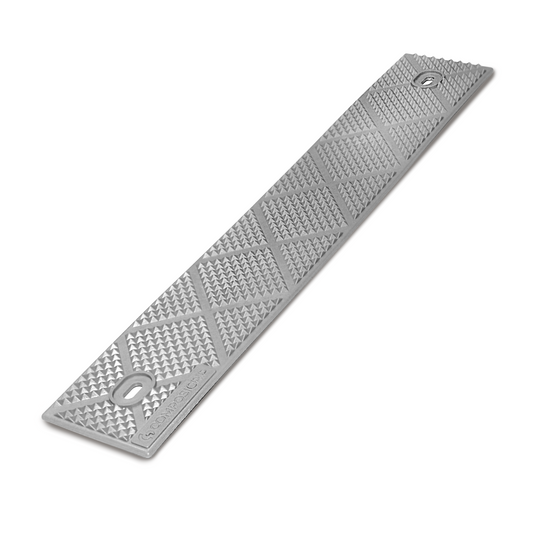
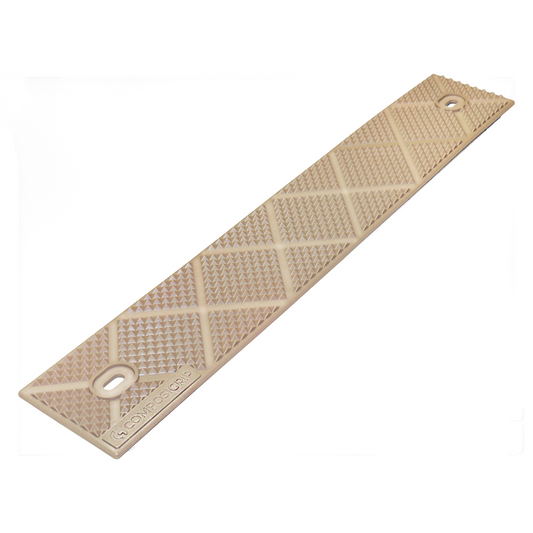
Our ComposiGrip™ non-slip stair treads are engineered from rugged, fiberglass-reinforced composite materials and incorporate a permanent, high-traction surface that’s built right into the structure of the tread — not added later as a strip, coating, or adhesive layer. This one-piece construction ensures durable slip resistance that holds up under heavy foot traffic and tough environments without peeling, wearing off, or losing effectiveness.
2. Step Edge Visibility
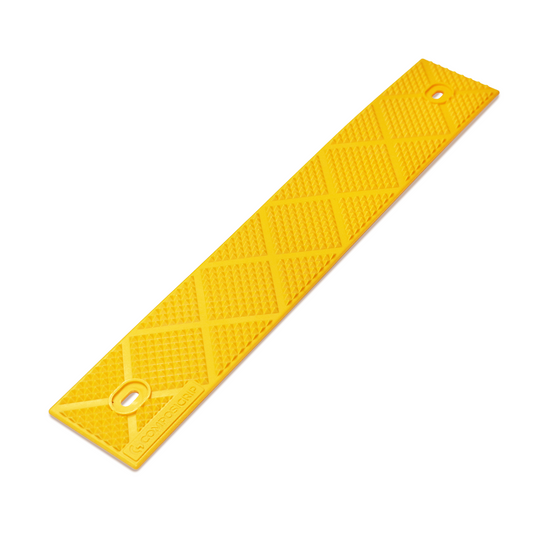
High-contrast safety colors and photoluminescent Ecoglo® options improve step-edge recognition, critical during storms or power outages.
3. Water & Ice Management on Steps
Textured surfaces allow meltwater to disperse rather than pool and refreeze on the steps.
4. Step Covers & Stair Nosings Built for Harsh Climates
Resists:
- Road salt
- Freeze–thaw cracking
- UV damage
- Heavy boot traffic
5. Long-Term Winter Solution for Anti-Slip Steps (Not Temporary)
Unlike salt, mats, or tape, ComposiGrip™ and Ecoglo® provide permanent slip resistance.
Best Locations for Winter Stair Protection
| Location Type | Risk Level | Why Needed |
|---|---|---|
| Commercial buildings | 🔴 High | Public traffic & liability exposure |
| Industrial facilities | 🔴 High | Steel stairs + wet footwear |
| Schools & universities | 🔴 High | Student foot traffic in winter boots |
| Transit stations | 🔴 High | Snow tracked from outdoors |
| Apartment complexes | 🟠 Medium–High | Resident safety & insurance claims |
| Hospitals | 🔴 Critical | Vulnerable populations |
Indoor vs Outdoor Winter Protection for Your Steps
| Area | Recommended Solution |
|---|---|
| Exterior concrete stairs | Heavy-duty anti-slip nosings |
| Metal fire escapes | Corrosion-resistant traction edges |
| Parking garages | Slip-resistant stair treads |
| Entry vestibules | High-visibility stair edging |
| Emergency exits | Photoluminescent non-slip nosings |
Winter Stair Steps Maintenance Tips
Even with anti-slip protection, maintenance matters:
✔ Remove snow early before compaction
✔ Use non-corrosive de-icers when possible
✔ Inspect stair edges after storms
✔ Keep indoor stairs dry with entrance matting
✔ Ensure lighting works during winter months
Compliance & Risk Reduction During Winter
Slip protection helps meet safety expectations under:
- Occupational safety standards
- Building safety codes
- Accessibility best practices
- Insurance risk management requirements
Proper stair traction significantly reduces:
- Worker injury claims
- Public liability cases
- Lost productivity incidents
Who Needs This Most in Canada & Northern U.S.?
- Property managers
- Facility managers
- Municipalities
- Schools & campuses
- Industrial plants
- Healthcare facilities
- Construction & retrofit contractors
Frequently Asked Questions (FAQ) on Preventing Falls During Winter
1. How do you make outdoor stairs safe in winter?
Install permanent ComposiGrip™ anti-slip stair treads and Ecoglo®nosings, remove snow early, apply safe de-icers, and ensure proper lighting.
2. Are ComposiGrip™ anti-slip stair treads and Ecoglo® stair nosings effective on ice?
Yes. Industrial surfaces maintain traction even in icy, wet, or snowy conditions, and they help minimize slips and falls on icy steps.
3. Do non-slip stair treads work in freezing temperatures?
High-quality products like ComposiGrip™ and Ecoglo® are engineered to withstand freeze–thaw cycles without cracking or losing grip.
4. Where should ComposiGrip™ stair treads be installed?
On each step, exposed to water, ice, and snow.
5. Are they required by code?
While codes vary, slip-resistant stair surfaces are widely recommended and often expected in commercial and public buildings.
6. How long do they last?
Commercial-grade stair treads and nosings can last many years, even under heavy winter exposure.
7. Can ComposiGrip™ and Ecoglo® be installed on metal stairs?
Yes. Specialized fasteners and adhesives allow installation on steel, concrete, and wood.
8. Do they help with visibility during power outages?
Photoluminescent Ecoglo® models glow in the dark, improving emergency egress safety.
9. Why are stair edges the most dangerous part in winter?
The front edge (nosing) of each step is where your foot first makes contact. Ice, slush, or worn surfaces here dramatically increase slip risk, which is why traction protection on the stair edge is critical.
10. Do anti-slip stair solutions work with snow-packed boots?
Yes. Industrial non-slip surfaces are designed to maintain friction even when footwear is wet or packed with snow, unlike smooth concrete or metal.
11. Are temporary solutions like salt and mats enough?
No. Salt melts ice but doesn’t create traction, and mats shift or become saturated. Permanent ComposiGrip™ and Ecoglo®anti-slip stair treads and nosings provide continuous protection regardless of weather.
12. Do non-slip stair treads help reduce liability?
Yes. Installing ComposiGrip™ and Ecoglo® slip-resistant stair protection demonstrates proactive safety measures, which can help reduce insurance claims and liability exposure for property owners and facility managers.
13. Can these be installed during winter?
In many cases, yes. Installers can work in cold conditions using appropriate fasteners and surface prep methods, though extreme weather may affect adhesive cure times.
14. Will road salt damage non-slip stair nosings?
High-quality fiberglass composite products, like those from ComposiGrip™ and Ecoglo®, are resistant to corrosion and deterioration caused by road salts and de-icing chemicals.
15. Do indoor stairs need non-slip protection in winter?
Absolutely. Water and melting snow tracked indoors create slippery stair conditions in offices, schools, apartments, and shopping centres.
16. What colours are best for winter stair safety?
High-contrast safety colours like yellow improve edge visibility, especially in low-light winter conditions.
17. Are these suitable for emergency exits and fire escapes?
Yes. Slip-resistant Ecoglo®nosings improve safe egress during snow, ice, or power outages — especially when paired with photoluminescent visibility.
18. Do they crack in extreme cold?
High-quality fiberglass-reinforced composite ComposiGrip™ stair treads are engineered to withstand freeze–thaw cycles common in Canadian and northern U.S. winters.
19. How does ComposiGrip™ and Ecoglo® compare to anti-slip tape?
Anti-slip tape peels, wears out, and fails in moisture and freezing temperatures. Integrated traction treads provide long-term, structural slip resistance.
20. Can ComposiGrip™ and Ecoglo® be retrofitted onto old or worn stairs?
Yes. ComposiGrip™ and Ecoglo® are commonly installed over aging concrete, metal, or wood stairs to restore safety without full stair replacement.
21. Do ComposiGrip™ stair treads and Ecoglo® stair nosings require special maintenance in winter?
Only standard snow removal and periodic inspection. They do not require reapplication like coatings or tapes.
22. Are they suitable for residential properties?
Yes. Condo buildings, apartment complexes, and multi-family housing benefit greatly from winter stair traction upgrades.
23. What industries benefit most from winter stair protection?
Healthcare, education, manufacturing, municipalities, transit, condominium, and commercial property management see the highest safety impact.
Winter stair accidents are predictable — and preventable. Installing permanent anti-slip protection from ComposiGrip™ and Ecoglo® are few of the most effective ways to reduce injuries, protect occupants, and lower liability risks across Canada and North America.
If you manage a property that sees snow, ice, or freezing rain, winter stair safety should be a priority, not a reaction.