What can I put on the stairs so I don't slip?
What Can I Put on Stairs So I Don’t Slip?
The best way to make slippery stairs safer is to add a durable anti-slip surface that matches the stair material, exposure to rain or snow, and level of foot traffic.
Slippery stairs are a major fall risk in homes, apartment buildings, workplaces, schools, and commercial properties. Whether your steps are wood, concrete, metal, composite, or tile, the right anti-slip product can improve grip, reduce accidents, and make the stairs easier to use year-round.
This guide explains the best products to put on stairs so they are less slippery, the pros and cons of each option, and which solution makes the most sense for outdoor stairs, indoor stairs, icy steps, older stairs, and high-traffic commercial stairways.
Best Anti-Slip Products to Put on Stairs
Non-Slip Stair Tread Covers
Best for long-term traction on outdoor or high-use stairs.
- Strong grip in wet weather
- Works on wood, concrete, and metal
- Low maintenance
- Professional appearance
Custom-Cut Stair Treads
Ideal for odd-sized, narrow, older, or extra-wide stairs.
- Fits non-standard steps
- Good for renovations
- Helps cover worn stair surfaces
- Improves both safety and finish
Non-Slip Stair Strips
A good choice for indoor residential stairs and lighter traffic areas.
- More subtle look
- Easier DIY installation
- Comfortable underfoot
- Helpful on smooth wood stairs
Non-Slip Stair Nosing
Best for edge protection, step visibility, and commercial safety upgrades.
- Defines the step edge clearly
- Adds traction at the front of the step
- Helps reduce wear
- Popular in commercial buildings
Photoluminescent Stair Nosing
A strong choice for emergency egress and low-light visibility.
- Improves edge visibility
- Useful in dark stairwells
- Suitable for commercial properties
- Adds safety during low-visibility situations
Anti-Slip Coatings or Tape
Best for short-term or budget-friendly fixes.
- Fast to apply
- Lower upfront cost
- Can wear faster over time
- May need replacement or reapplication
Shop by Stair Surface


Need a Solution for Odd-Sized or Uneven Stairs?
Not every stair is standard. Custom-cut anti-slip stair treads are a smart option for older stairs, narrow steps, wider commercial steps, and unusual layouts where a standard tread may not fit properly.
- Great for narrow or extra-wide stairs
- Helpful on aged or uneven stairways
- Cleaner finished look than temporary fixes
- Designed for a better fit and safer coverage

Compare the Best Ways to Make Stairs Less Slippery
| Solution | Best For | Durability | Wet / Snow / Ice | Maintenance |
|---|---|---|---|---|
| Fiberglass Stair Tread Covers | Outdoor and commercial stairs | High | Excellent | Low |
| Custom-Cut Treads | Odd-sized or older stairs | High | Excellent | Low |
| Non-Slip Pads | Indoor residential stairs | Moderate | Somewhat | Low |
| Aluminum Stair Nosing | Commercial and industrial use | High | Excellent | Low |
| Photoluminescent Nosing | Emergency visibility | High | Good | Low |
| Tape or Coatings | Budget or temporary fixes | Lower | Limited to moderate | Higher |
How to Choose the Right Anti-Slip Stair Solution
Outdoor stairs usually need more aggressive traction and better weather resistance.
The stair material affects installation method, appearance, and product fit.
Wet climates and freezing weather demand stronger anti-slip performance.
Commercial properties may also need better edge visibility and code-focused solutions.
Frequently Asked Questions About Slippery Stairs
What is the best thing to put on outdoor stairs so they are not slippery?
For outdoor stairs, durable anti-slip stair tread covers or heavy-duty nosing are usually the best long-term options because they provide better traction in rain, snow, frost, and heavy foot traffic.
What can I put on wood stairs so I do not slip?
For wood stairs, good options include non-slip tread covers, stair pads, stair runners, or anti-slip coatings. The best choice depends on whether the stairs are indoors or outdoors and whether appearance or maximum grip matters more.
How do I make concrete stairs less slippery?
Concrete stairs can be made safer with anti-slip tread covers, non-slip nosing, textured coatings, or anti-slip paint. If the stairs stay wet or icy, a more durable traction product is usually better than paint alone.
What can I put on icy steps to prevent slipping?
A safer long-term setup is a permanent anti-slip stair surface combined with temporary ice management when needed. Relying only on loose mats or temporary tape can be less dependable in freeze-thaw conditions.
Are rubber mats or rubber stair treads good for outdoor stairs?
They can work in some cases, but many property owners look for more secure, fixed anti-slip options because loose or shifting materials can become less dependable outdoors, especially in wet or icy weather.
Is anti-slip tape enough for slippery stairs?
Anti-slip tape can help as a quick, lower-cost fix, but it is usually better for temporary use or lighter traffic areas. For long-term outdoor performance, many property owners prefer more durable tread or nosing systems.
Do anti-slip coatings or gritty paint work on stairs?
They can improve traction and are often used as a DIY option, but they may wear faster than a fixed anti-slip tread or nosing product, especially on busy or weather-exposed stairs.
What is best for slippery indoor stairs?
Indoor stairs are often improved with non-slip pads, carpet treads, stair runners, or low-profile anti-slip products that balance traction with appearance.
Can I install anti-slip treads on old, uneven, or odd-sized stairs?
Yes. Custom-cut solutions are especially useful for older staircases, non-standard dimensions, or steps where a standard product may not fit cleanly.
What is better for safety: stair tread covers or stair nosing?
It depends on the application. Tread covers provide broader traction across more of the step surface, while stair nosing focuses on the front edge where many slips begin. Some commercial settings use both.
Do I need stair nosing for commercial stairs?
Many commercial projects prioritize stair edge definition, slip resistance, and visibility. The best product choice depends on the building type, stair condition, and project requirements.
How do I clean non-slip stair treads?
Most non-slip stair products can usually be cleaned with routine sweeping, rinsing, and basic surface cleaning. Regular cleaning helps keep the traction surface working properly.
What is the safest option for seniors, kids, tenants, or heavy foot traffic?
In higher-risk settings, a more secure, permanent anti-slip product is often a better choice than temporary mats or short-term coatings because it can provide more dependable traction day after day.
Helpful Stair Safety Resources


48" Non Slip Stair Treads
-
Beige Non-Slip Stair Treads – Prevent Falls on Wood, Metal & Concrete Indoor & Outdoor Steps - ComposiGrip™ 48" Anti-Slip Step Covers | Rain, Snow, Ice
Regular price $34.84 USDRegular price -
Gray Non-Slip Stair Treads – Prevent Falls on Wood, Metal & Concrete Indoor & Outdoor Steps - ComposiGrip™ 48" Anti-Slip Step Covers | Rain, Snow, Ice
Regular price $34.84 USDRegular price -
Black Non-Slip Stair Treads – Prevent Falls on Wood, Metal & Concrete Indoor & Outdoor Steps - ComposiGrip™ 48" Anti-Slip Step Covers | Rain, Snow, Ice
Regular price $40.24 USDRegular price -
Safety Yellow Non-Slip Stair Treads – Prevent Falls on Wood, Metal & Concrete Indoor & Outdoor Steps - ComposiGrip™ 48" Anti-Slip Step Covers | Rain, Snow, Ice
Regular price $40.24 USDRegular price -
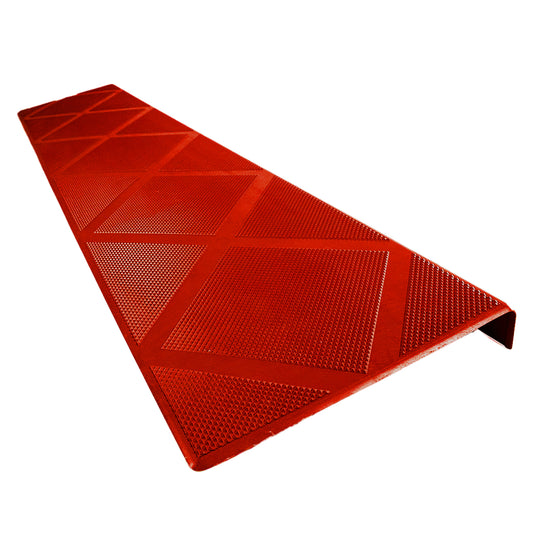
Brick Red Non-Slip Stair Treads – Prevent Falls on Wood, Metal & Concrete Indoor & Outdoor Steps - ComposiGrip™ 48" Anti-Slip Step Covers | Rain, Snow, Ice
Regular price $40.24 USDRegular price -
Custom Cut Non-Slip Stair Treads – Heavy-Duty Anti-Slip Covers for Indoor & Outdoor Steps | ComposiGrip™
Regular price From $42.84 USDRegular price -
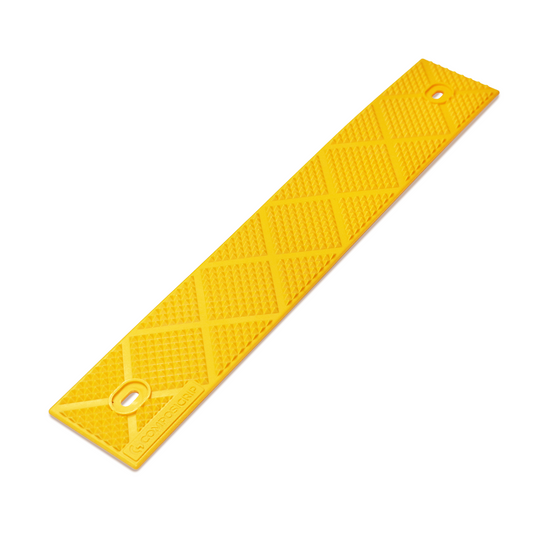
ComposiGrip™ Non-Slip Stair Strips - Safety Yellow - 2 Pcs
Regular price From $6.25 USDRegular price -
ComposiGrip™ Non-Slip Stair Strips - Onyx Black - 2 Pcs
Regular price From $6.25 USDRegular price -
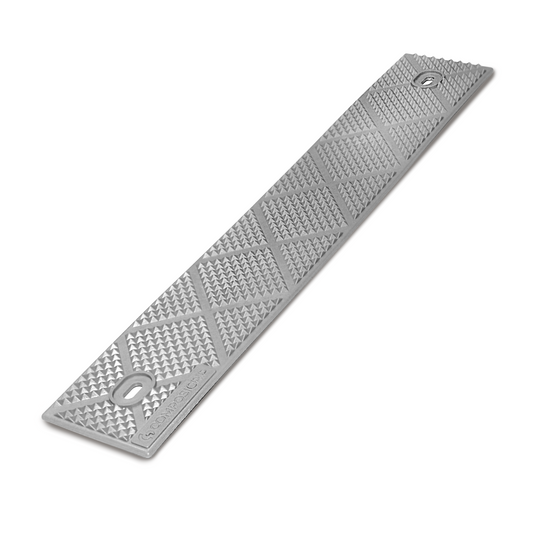
ComposiGrip™ Non-Slip Stair Strips - Grey - 2 Pcs
Regular price From $6.25 USDRegular price -
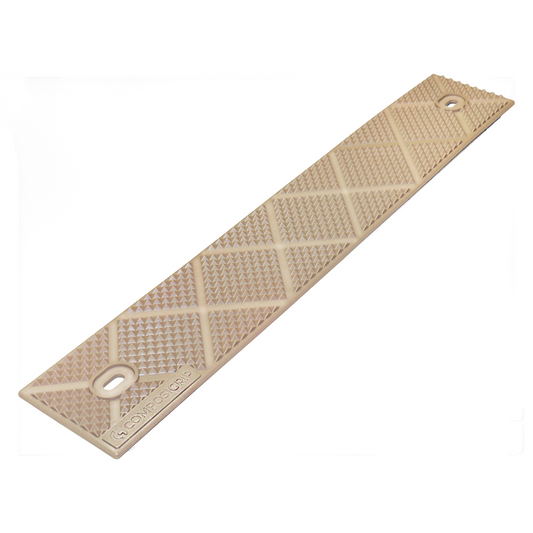
ComposiGrip™ Non-Slip Stair Strips - Beige - 2 Pcs
Regular price From $6.25 USDRegular price