Stair Treads Explained: The Complete Guide to Safer Stairs (2026)
Stair Treads 101: Stay Safe and Step Smart
If you're looking to improve the safety, longevity, and appearance of your stairs—whether at home, work, or outdoors—stair treads are your best friend.
These essential stairway components offer more than just footing; they provide protection, grip, and peace of mind.
At ComposiGrip, we specialize in high-performance, anti-slip stair tread covers made for the toughest Canadian conditions. This guide will walk you through everything you need to know about stair treads—what they are, why they matter, and why composite tread covers are the go-to solution for durable, long-lasting stair safety.

What Are Stair Treads?
A stair tread is the horizontal surface of a step where your foot lands. While simple in design, stair treads play a critical role in safety, durability, and building compliance.
When enhanced with anti-slip materials, stair treads significantly reduce accidents and extend the lifespan of stairs.
Why Stair Treads Are Critical for Safety
Slip-and-fall incidents are one of the leading causes of injuries in:
- Commercial buildings
- Industrial facilities
- Residential homes
- Hospitality environments
Research in facility safety shows that stairs account for a large percentage of slip-related incidents, especially in wet or high-traffic areas.
Key Benefits:
- Prevent slips, falls, and injuries
- Improve traction in rain, snow, oil, and dust
- Extend stair lifespan
- Reduce liability risk
- Improve accessibility for seniors and children
Before the Installation of the Stair Treads

After the Installation of the Stair Treads

Here's why investing in quality stair treads matters:
✔️ Prevent slips, falls, and workplace injuries
✔️ Comply with American and Canadian safety regulations
✔️ Protect the original stair material
✔️ Extend the life of your staircases
✔️ Make stairs safer for children, seniors, and staff
At ComposiGrip, we believe safe stairs = smart stairs.
Where to Install Non-Slip Stair Treads (By Surface Type)
Stair treads can be installed on almost any type of staircase, but the installation method and performance depend on the surface material. Choosing the right approach ensures maximum safety, durability, and long-term performance.
Install Non-Slip Stair Treads on Wood Stairs

Best For:
- Deck stairs
- Porches
- Interior staircases
- Residential homes
Why Install Treads on Wood:
- Wood becomes very slippery when wet
- Can rot or wear down over time
- Needs extra traction for safety
Installation Method:
- Exterior adhesive + screws
- Drill and secure directly into wood
Pro Tip:
👉 Always seal or clean wood before installation to ensure proper bonding.
Install Non-Slip Stair Treads on Steel / Metal Stairs

Best For:
- Factories
- Warehouses
- Fire escapes
- Industrial facilities
Why Install Treads on Steel:
- Metal becomes extremely slippery when wet, oily, or icy
- Common in high-risk environments
Installation Method:
- Self-drilling screws or bolts
- Mechanical fastening is preferred
Pro Tip:
👉 Avoid tape solutions—industrial environments require heavy-duty composite treads.
Install Non-Slip Stair Treads on Concrete Stairs

Best For:
- Commercial buildings
- Parking garages
- Sidewalk steps
- Public infrastructure
Why Install Treads on Concrete Steps:
- Concrete is porous and slippery when wet or icy
- Prone to cracking and surface wear
Installation Method:
- Masonry anchors + adhesive
- Drill into concrete for secure fastening
Pro Tip:
👉 Ideal for retrofit projects—you don’t need to rebuild the stairs.
Install Non-Slip Stair Treads on Granite / Stone Stairs
Best For:
- Luxury homes
- Commercial entrances
- Hotels and office buildings
Why Install Treads on Stone Steps:
- Granite and marble are extremely slippery when wet
- High-end look but high safety risk
Installation Method:
- Adhesive + anchors (depending on design)
- Careful drilling to avoid cracking
Pro Tip:
👉 Choose low-profile treads that maintain aesthetics while adding safety.
For cold American and Canadian climates (Alaska, NY, MN, Ontario, BC, Quebec)
- Freeze-thaw cycles
- Ice buildup
- Salt exposure
👉 The best universal solution across all surfaces is:
Fiberglass-reinforced anti-slip stair treads
They:
- Work on wood, steel, concrete, and stone
- Maintain grip in snow and ice
- Last 10–20+ years
Common Types of Stair Tread Materials
Not all stair treads are created equal. Here's how different materials stack up:
1. Rubber Stair Treads
- Good grip
- Low cost
- Can degrade in extreme cold
✔ Affordable
✔ Good indoor grip
❌ Not ideal for extreme cold
2. Metal Stair Treads (Steel or Aluminum)
- Strong and long-lasting
- May become slippery without coating
- Loud and cold to touch
✔ Strong and durable
✔ Industrial use
❌ Can become slippery without coating
3. Wooden Stair Treads
- Natural aesthetic
- Can get slippery when wet
- Requires regular sealing or replacement
✔ Aesthetic appeal
❌ High maintenance
❌ Slippery when wet
4. Concrete Stair Steps
- Tough and weather-resistant
- Poor slip resistance unless modified
✔ Durable
❌ Poor slip resistance unless treated
5. Composite Stair Tread Covers (ComposiGrip)
- Engineered for grip and durability
- Won't rot, crack, or peel
- Designed for harsh weather and heavy use
✔ High traction surface
✔ Weather resistant (snow, ice, UV)
✔ Long lifespan (10–20+ years)
✔ Low maintenance
Composite systems like fiberglass-reinforced treads are engineered to provide consistent grip in all conditions without cracking or peeling.
Why Choose ComposiGrip Anti-Slip Stair Treads?
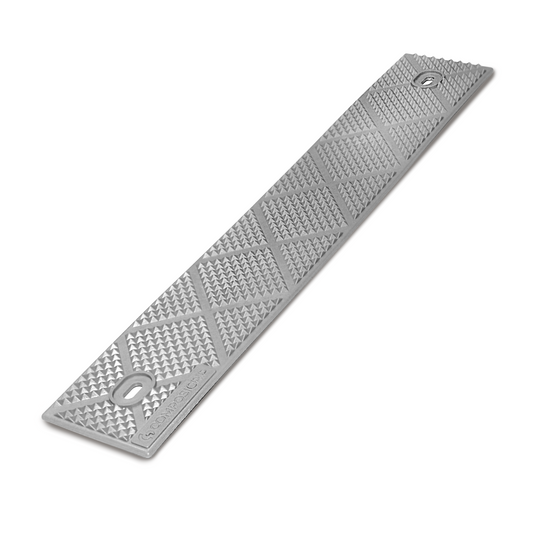
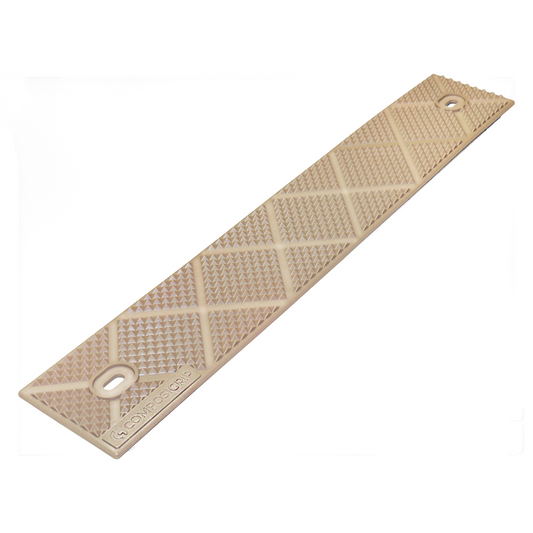
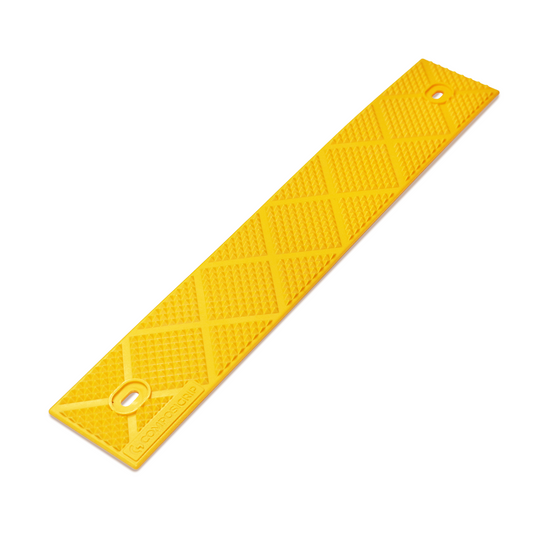
Our composite stair treads are specially engineered for performance, safety, and long-term use. Designed with a textured surface, they maintain traction even in rain, snow, or oil—making them ideal for commercial, residential, and industrial spaces.
Benefits Non-Slip Stair Treads:
- 🌧️ Slip-resistant – wet, icy, or oily? Still safe to step
- 🧊 Built for winter – designed to perform in Canada's harshest climates
- 🛠️ Easy to install – perfect for contractors and DIYers
- 🔩 Compatible with steel, wood, or concrete steps
- 🧱 CSA-compliant – peace of mind for public and workplace environments
Where Stair Treads Matter Most
While stair treads can be used anywhere, they're especially critical in:
- 🏢 Industrial facilities – factories, power plants, warehouses
- 🏫 Public spaces – schools, hospitals, senior centers
- 🏡 Outdoor areas – decks, garden stairs, patios
- 🧰 Construction sites & commercial buildings
In high-traffic or weather-exposed areas, a slip-resistant stair tread is a safety essential.
Where Should Stair Treads Be Installed?
Residential:
- Front steps
- Deck stairs
- Basement stairs
Commercial:
- Office buildings
- Retail stores
- Parking garages
Industrial:
- Factories
- Warehouses
- Loading docks
High-Risk Areas:
- Outdoor stairs
- Emergency exits
- Pool areas
- Transit stations
Designed for Cold North American & Canadian Weather
You don't need to be told that Canadian winters are extreme—but your stairs do need to be ready.
ComposiGrip stair tread covers are made to resist:
- ❄️ Ice buildup and slush
- 🌨️ Snow accumulation
- ☀️ Summer UV damage
- 💦 Year-round moisture
Unlike metal or wood that can wear down, warp, or corrode, our composite covers retain their traction and strength through it all.
Fast and Simple Installation
One of the top reasons customers choose ComposiGrip stair treads is how easy they are to install. You don't need to tear out your old stairs—our tread covers are designed to be installed right on top.
Installation Steps for ComposiGrip Anti-Slip Stair Treads:
- Clean the stair surface
- Measure and trim the covers if needed
- Drill pilot holes
- Screw down securely
That's it! Whether you're outfitting a few outdoor steps or renovating an entire stairwell, installation is fast and straightforward.
How to Choose the Right Stair Treads
Not sure which treads are right for your project? Consider the following:
- Location – indoor or outdoor?
- Foot traffic – low, medium, or high?
- Material underneath – wood, steel, or concrete?
- Weather conditions – lots of snow or rain?
- Slip risk – do oils, water, or debris pose danger?
Ask These Questions:
- Indoor or outdoor?
- Weather exposure?
- Foot traffic level?
- Material of existing stairs?
- Do you need code compliance?
ComposiGrip stair treads are a versatile solution for nearly every scenario—especially when safety and durability are your top concerns.
Pro Tip:
If your stairs are exposed to:
- Ice
- Oil
- Heavy traffic
Always choose fiberglass composite treads over tape or paint
(because temporary solutions wear out quickly).
What Makes ComposiGrip Different?
We've worked with property managers, municipalities, builders, and homeowners across Canada. Here's what sets us apart:
- 🇨🇦 Canadian-built for Canadian needs
- 🔒 Non-slip design even in extreme weather
- ⚙️ Fast fulfillment and bulk ordering available
- 💬 Real customer support from our Ontario-based team
- ✅ Tested in real-world commercial environments
"We installed these on a set of warehouse steps that were always icy in winter. Three winters later, they still look new and perform perfectly." – Commercial Client
Frequently Asked Questions on Stair Treads
Are ComposiGrip stair treads suitable for residential stairs?
Yes, they're ideal for outdoor decks, porches, and entryways at home too.
How do I clean the stair treads?
Just hose them down or use mild soap and water. No special cleaners needed.
Can I install them myself?
Yes! They're designed for both DIYers and contractors.
Do you offer volume pricing?
We do. Contact us directly for bulk pricing and wholesale rates.
What is the purpose of stair treads?
Stair treads provide a walking surface and improve safety by increasing traction.
Are stair treads required by code?
Yes, many building codes require slip-resistant surfaces and proper stair dimensions.
What is the best material for outdoor stair treads?
Composite fiberglass stair treads are best due to weather resistance and durability.
Do stair treads work in winter?
Yes—high-quality anti-slip treads are designed for snow and ice conditions.
Can you install stair treads over existing stairs?
Yes, most are retrofit-friendly and install over wood, steel, or concrete.
How long do stair treads last?
High-quality composite treads can last 10–20+ years with minimal maintenance.
How to Install Non-Slip Stair Tread Covers
Visit https://composigrip.com/pages/how-to-install-non-slip-steps for more information.
Basic Installation Steps:
- Measure stair width
- Cut tread if needed
- Clean surface
- Apply adhesive or fasteners
- Secure tread in place
Most modern stair treads:
- Install over wood, steel, or concrete
- Require minimal tools
- Can be DIY-friendly
Safety Standards & Compliance for Non-Slip Treads
Stair treads should comply with:
- OSHA (USA)
- CSA (Canada)
- IBC (International Building Code)
Compliance ensures:
- Proper slip resistance
- Correct tread depth
- Safe visibility
Why ComposiGrip Composite Anti-Slip Stair Treads Are the Best Investment
High-performance stair treads:
- Provide long-term safety
- Reduce maintenance costs
- Prevent structural wear
- Improve building value
Modern composite treads:
- Do not rot, rust, or crack
- Maintain grip in all conditions
- Are engineered for heavy-duty environments
Final Thoughts: Safe Stairs = Smart Investment
Whether you are a:
- Homeowner
- Contractor
- Facility manager
Investing in proper stair tread solutions is one of the most cost-effective safety upgrades you can make.
Order High-Performance Stair Tread Covers Today
Whether you're managing a property, upgrading your workplace safety, or winterizing your outdoor stairs, ComposiGrip composite stair treads deliver unmatched performance.
🛒 Shop now and keep your steps safe, no matter the season.